All-Swedish Cocktails

Facit Bar

Emil Åreng and Facit Bar


It sounded like a slightly crazy idea. A 1,000-square-metre cocktail bar in Umeå, where everything from the ingredients in the drinks to the interior design would be Swedish. Behind the concept was Emil Åreng, the award-winning bartender who, among other achievements, helped restore the legendary Cadierbaren at the Grand Hôtel in Stockholm to its former glory. Had he bitten off more than he could chew? Hardly. Facit Bar has become a destination in its own right, where creativity, craftsmanship and a dash of madness set the tone.


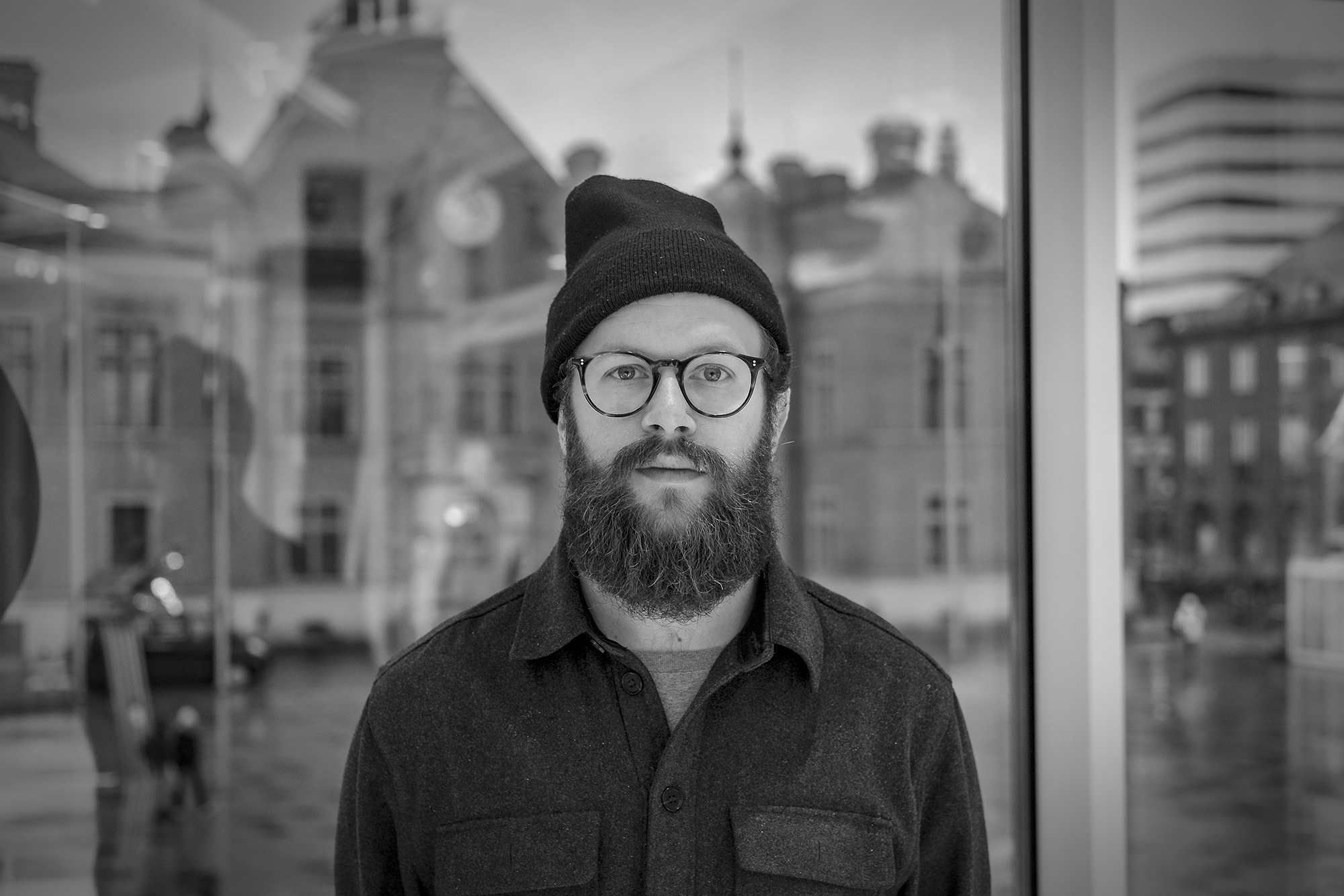
Emil Åreng
Emil Åreng, photo: Jonas Pekkari.

Thinking outside the cocktail glass


The journey from the small town of Bräcke in Jämtland to the prestigious Cadierbaren at the Grand Hôtel in Stockholm was far from straightforward. But ever since Emil Åreng discovered bartending at the age of 18, much of his life has revolved around creating cocktails that not only taste great but also tell stories.

Over the years, he has travelled the world, written books, won international cocktail competitions and worked at some of Sweden’s most renowned bars. To many locals in Umeå, he is also known for the now-legendary cocktail bar Open/Closed.

Over five years, Emil and his team created nearly 400 original cocktails at Open/Closed. Here, they challenged conventional ideas of what a cocktail could contain, experimenting with unexpected flavour combinations and pushing creative boundaries. One example was the Hamburger Sour, featuring ingredients such as vodka, Dijon mustard, Gruyère cheese, lemon and French fry foam.

At Facit Bar, that same creative philosophy lives on, but on an entirely different scale. Together with restaurateur Jörgen Engdal, Emil Åreng established Facit Bar and Facit Galej at Rådhustorget in the heart of Umeå. With approximately 1,000 square metres divided between a cocktail bar and an event space, their ambitions took on a whole new dimension.
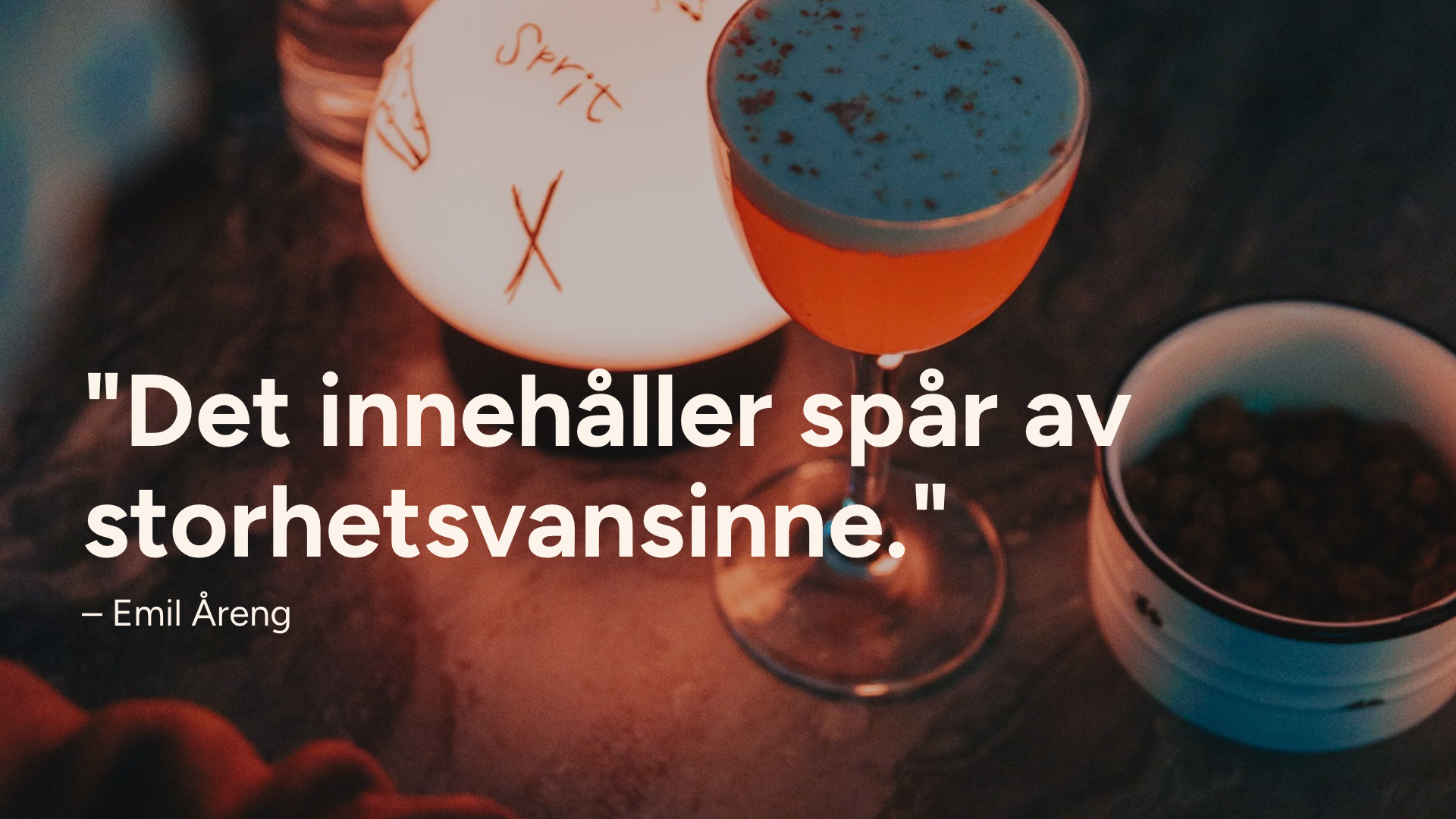

citat Emil


Exclusively Swedish Flavours in Every Glass

At Facit Bar, Swedish ingredients take centre stage. The cocktails draw inspiration from different regions of Sweden, using locally sourced ingredients and Swedish-made spirits. Even the interior is designed and manufactured in Sweden. Working exclusively with Swedish ingredients also brings creative challenges. Lemons and limes, essential components in many classic cocktails, must be replaced with alternative sources of acidity.

“It’s definitely a challenge. Lemons and limes are such staples behind the bar and feature in almost every classic cocktail. Since these fruits aren’t grown in Sweden, we have to find other ways to create acidity. Using only Swedish spirits also forces us to rethink everything, but that’s a big part of the appeal. It’s simply not sustainable to keep transporting tonnes of spirits and fruit around the world when we have ingredients here that are just as good, if not better,” says Emil.

For Emil, these limitations are more about opportunities than obstacles. By rethinking ingredients and flavour combinations, it becomes possible to create entirely new experiences while challenging conventional ideas of what a cocktail should be.


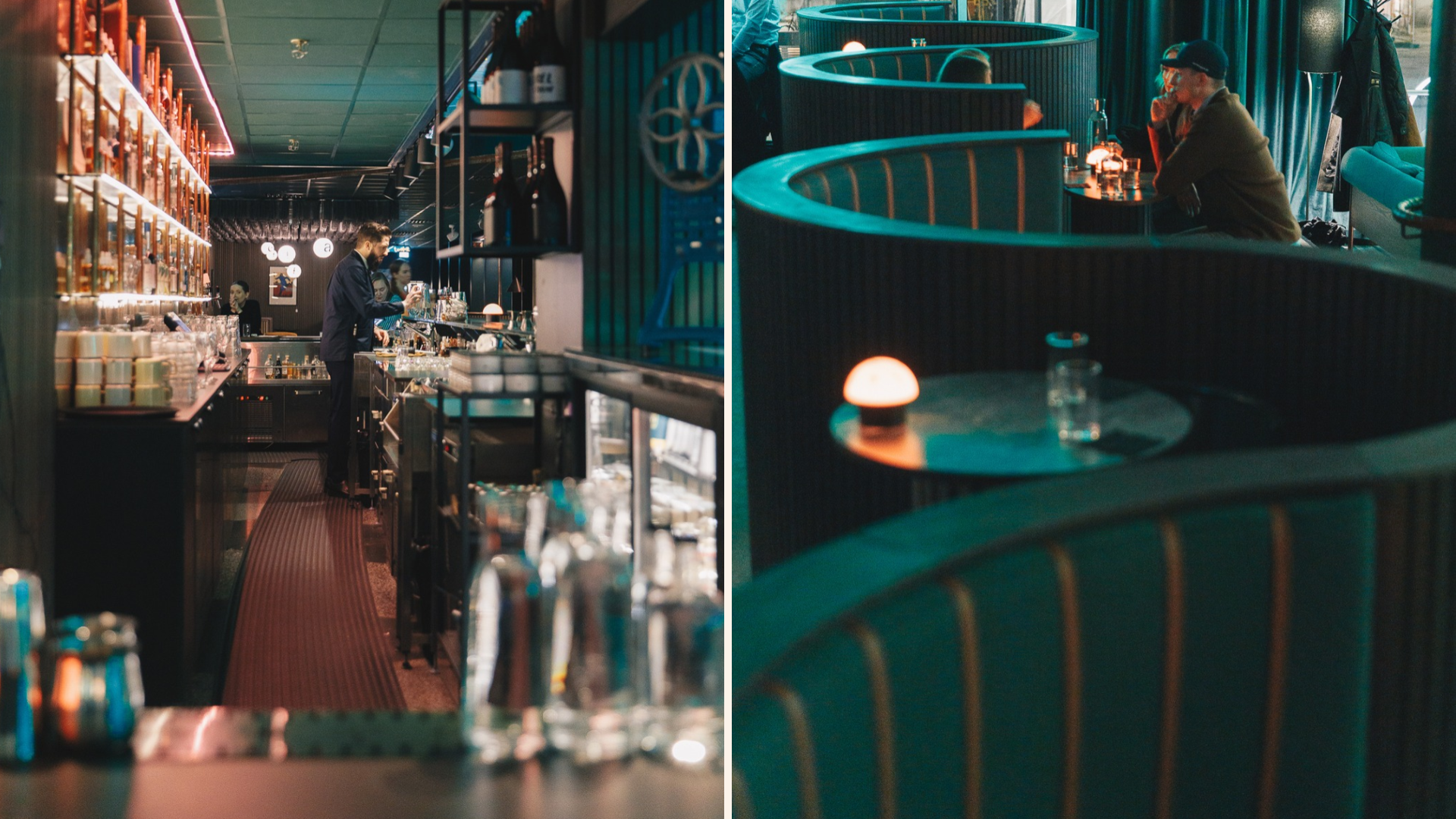
Facit bar umeå

Facit Bar in Umeå, photo: Bea Holmberg.

A Personal Masterpiece

The ambitions extend far beyond the bar itself. By challenging the industry's traditional reliance on imported spirits and ingredients, Emil and his team want to demonstrate what's possible with Swedish alternatives. Here, domestic distilleries, local flavours and traditional preservation techniques take centre stage in a cocktail culture that often looks abroad for inspiration. It's an approach that not only embraces new ideas but also aims to inspire change across the industry.

With Facit Bar, Emil Åreng has brought together his experience and creativity in one of his most ambitious projects yet. A cocktail bar firmly rooted in Sweden, where every drink offers an opportunity to discover new flavours and challenge old perceptions. Or, as Emil himself puts it: "Facit Bar is my magnum opus."