
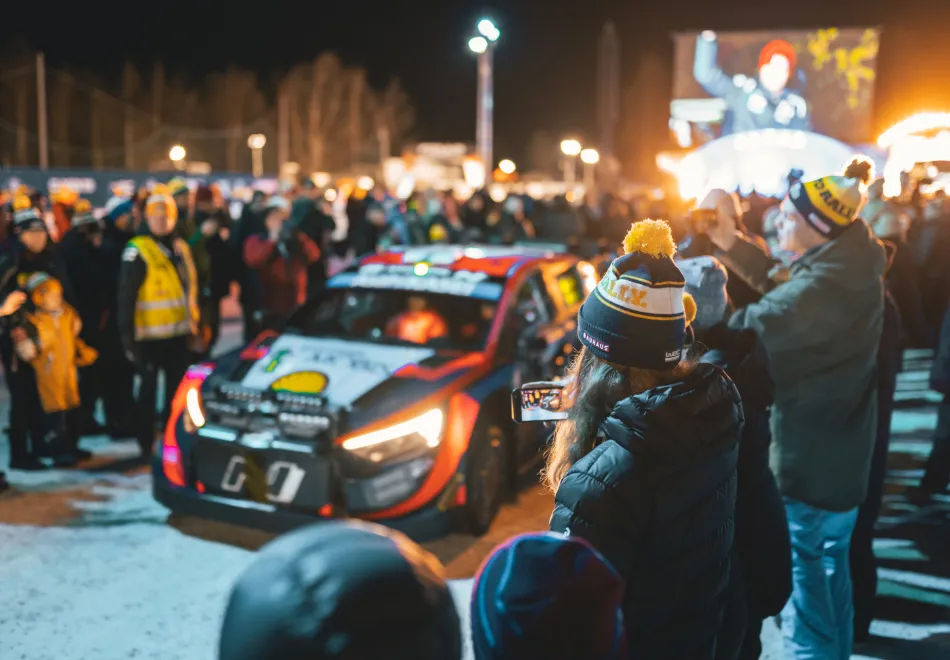
Is a driver's license a requirement for rally drivers? And how does a rally driver warm up, really? We have the answers to nine questions you haven't dared to ask about the World Rally Championship in Umeå.
Nine questions you haven't dared to ask about the World Rally Championship in Umeå.
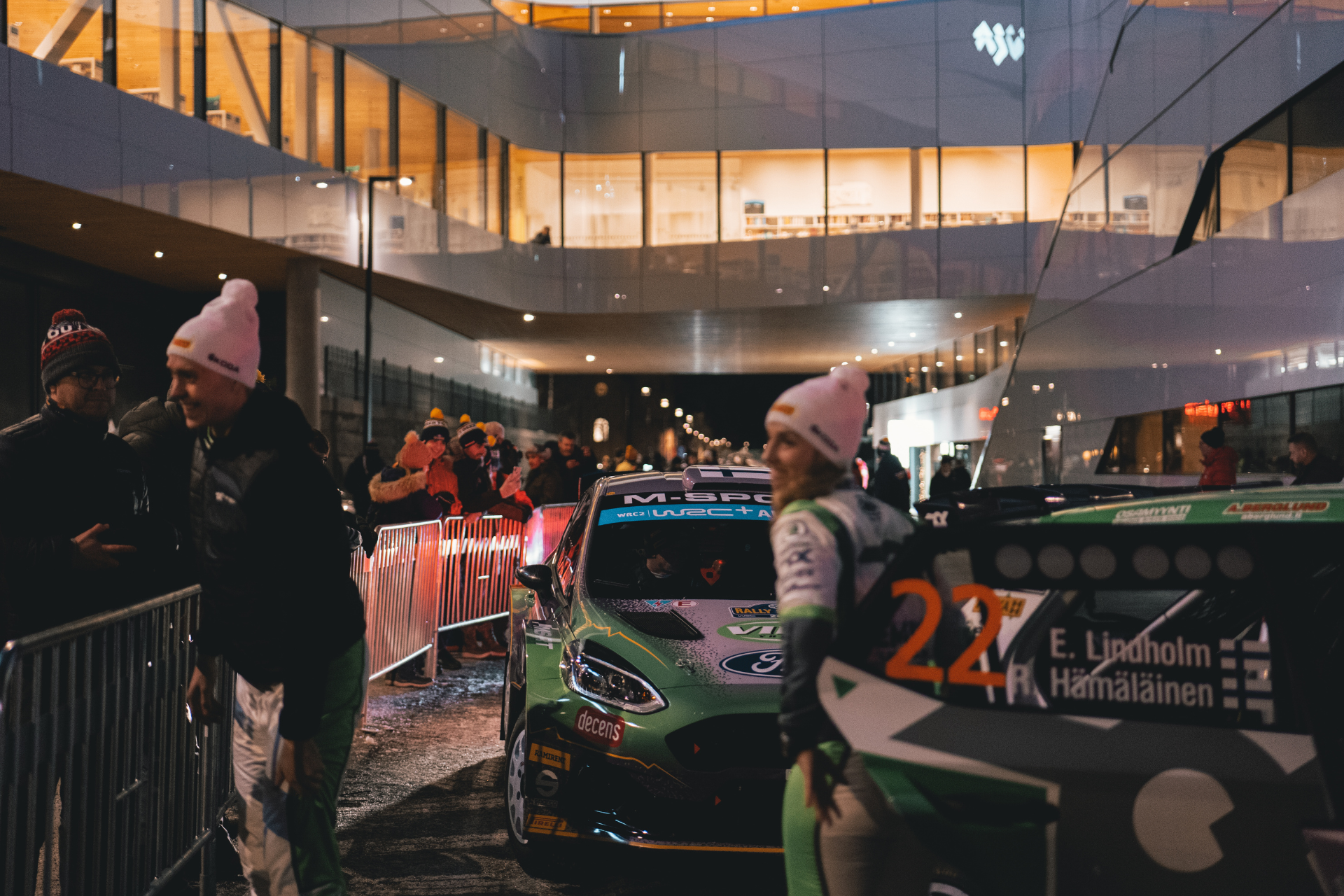
Photo: Philip Avesand
Few people have missed the fact that rally racing will take place in and around Umeå on the third weekend of February. But how does it actually work? We asked the questions no one has dared to ask, but that everyone should, so that we can better understand Rally Sweden.
1) Is Rally Sweden really as "big" as many claim?
This is Sweden’s largest annually recurring event and the fifth time it is being held in Umeå. Around 120 million people are expected to follow the competition on TV, and the organizers estimate approximately 40,000 visitors from around 40 different countries. This is a very large event, both for Umeå and for Sweden.
2) Is a driver's license really necessary to participate in rallying?
This type of competition is almost the only form of motorsport that actually requires a driver’s license. Motorsports held on closed arenas, such as Formula 1, rallycross, and similar disciplines, do not require one. Rally competitions are run on public roads, on so-called special stages. Between these stages, drivers must transport themselves and their cars to the start of the next stage via what are known as liaison sections. These take place on regular public roads where traffic laws apply, which is why a driver’s license is required. It is often an appreciated sight in traffic to end up next to a rally car at a traffic light. However, it has also happened that people thought they had accidentally driven into the middle of a rally stage.
3) Are there airbags in rally cars?
No, rally cars do not have airbags. They simply would not withstand the impacts a rally car is exposed to. With jumps that can reach up to 40 meters and with both the front and rear bumpers regularly plowing into snowbanks, the airbags would deploy almost immediately. In addition, airbags serve no real purpose for the driver and co-driver. They are strapped in so tightly with harnesses and neck restraints that they can barely move during a collision.
Bonus information: The roll cage that revolutionized safety in motorsport was invented in Umeå in 1955.
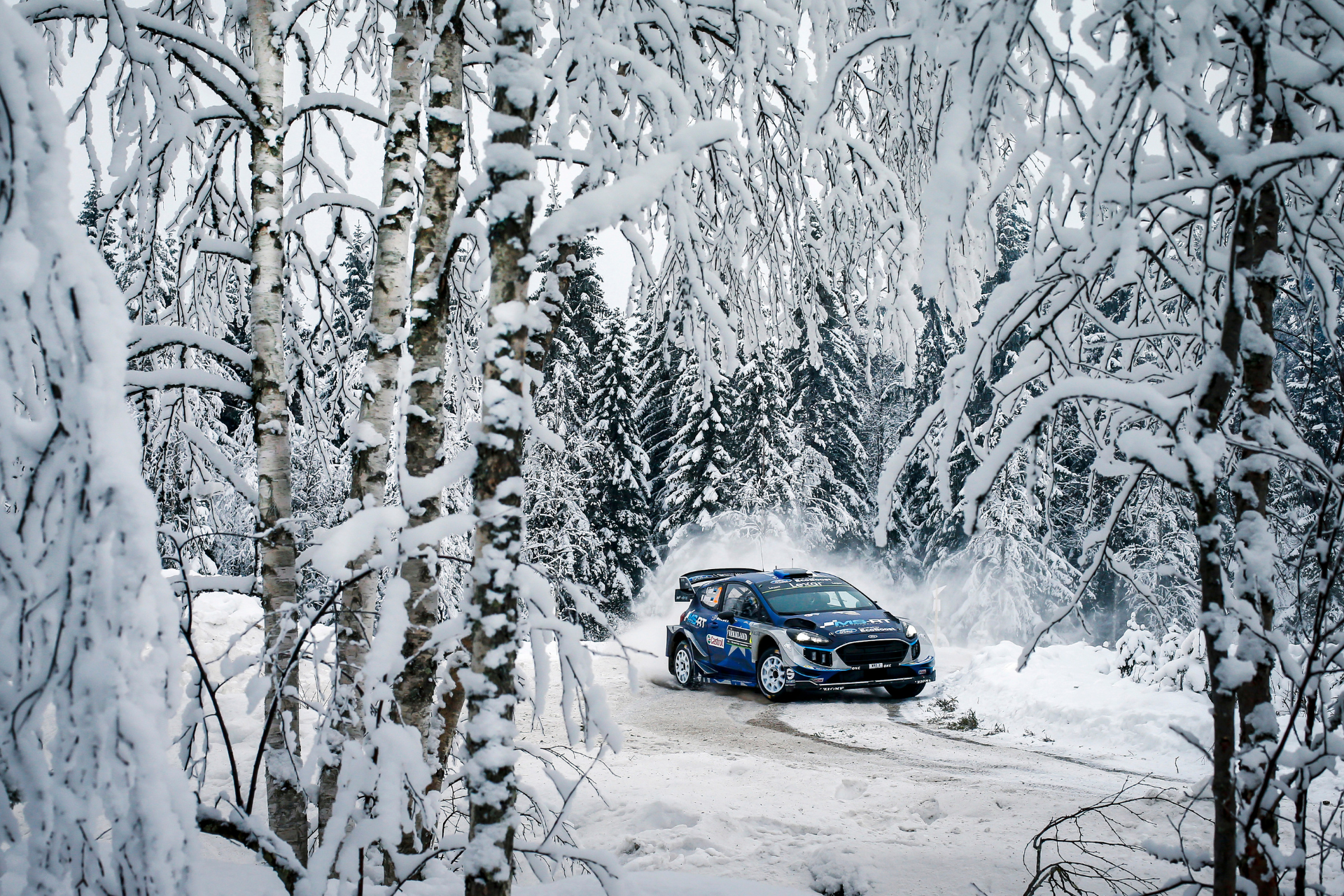
4) Do drivers warm up before getting into the car, or do they rely entirely on heated seats?
Warming up is essential. You need to be fully alert when driving at the speeds reached during a rally. How drivers warm up varies individually, but many start the morning with a run to get their bodies going. Rally cars do not have heated seats, however, drivers do have heating elements in their shoes.
5) What sets a rally car apart from a regular car?
Everything. The only untouched part might be the door handle. A rally car is rebuilt and specially designed to get from point A to point B as fast as possible. Comfort is not a requirement—if anything, it’s something that is compromised. The goal is speed, and they are fast. On one of last year’s stages, drivers averaged 141 km/h, with top speeds reaching nearly 190 km/h.
6) What happens if a rally car gets a flat tire? Are there service teams on-site after the stages?
If a car gets a puncture, the driver has two options: either complete the stage with the flat tire or stop and change the wheel themselves. A rally car may only be serviced and repaired by the team’s mechanics in a designated service area at Nolia. If something happens out on the stages, the driver and co-driver must solve the problem themselves, without help from anyone else and using only the spare parts and tools they carry in the car. The only exception is if the car leaves the road—then they are allowed to accept help from spectators to get back onto the road. And that usually isn’t a problem. Many spectators bring ropes and shovels into the forest, ready to help if needed.
Bonus fact: At Umeå Service Park at Nolia, visitors get a unique insight into how the world’s top rally teams operate. All teams’ service facilities are gathered here, and spectators can get very close as the cars are brought in between stages for service and repairs. Free admission!
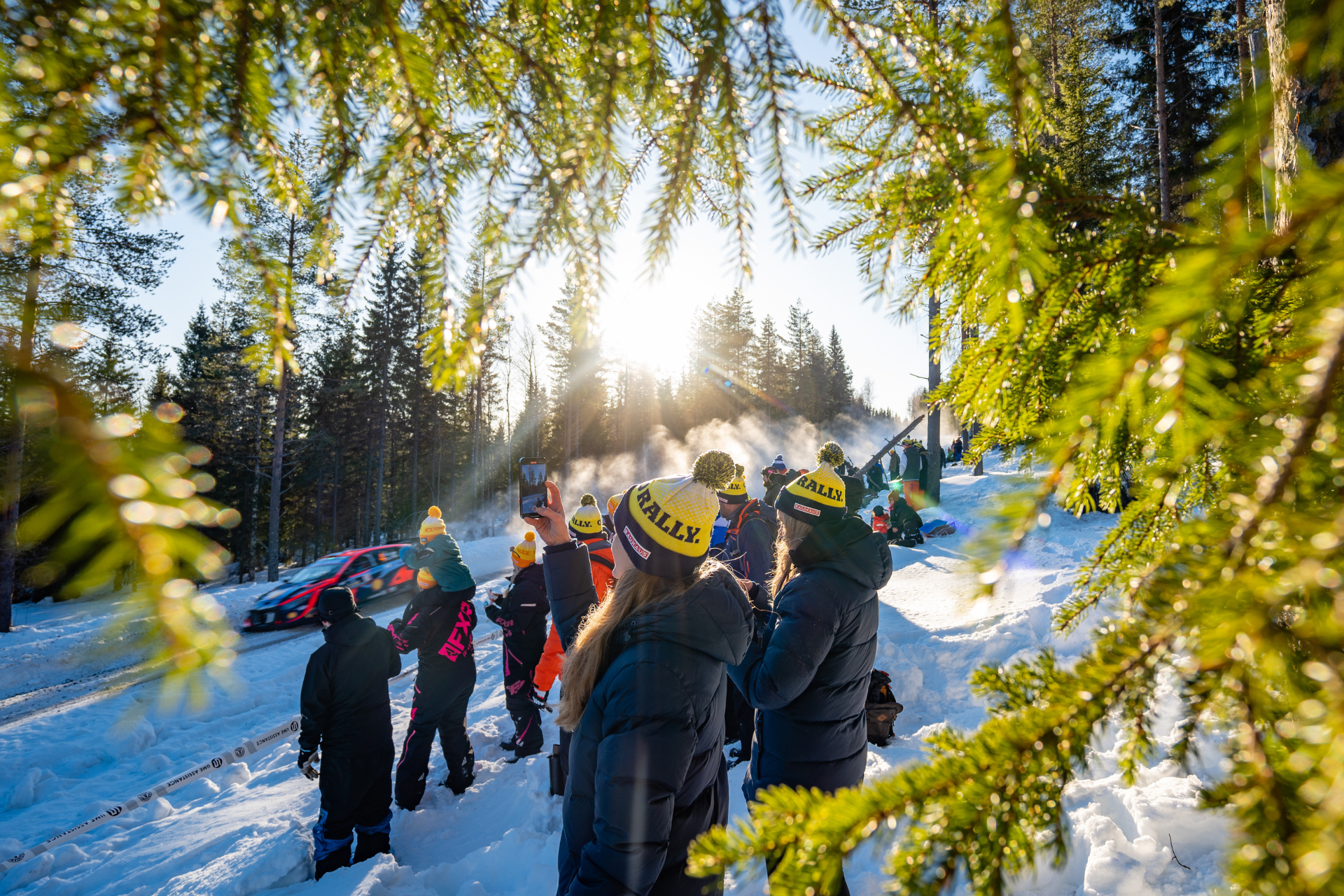
Photo: Philip Avesand
7) If I have to choose only one stage to watch as a spectator, which one should I choose and why?
The stages held at Red Barn Arena. This is the epicenter of the WRC—it’s where everything happens. An easy walk or short bus ride from central Umeå. In the I20 area, you’ll find the WRC’s newest and hottest arena. Spectacular jumps and long straights where cars will reach top speed, food courts, VIP areas, and live performers. This is the place to experience world-class rallying, party vibes, and a family-friendly festival atmosphere. And once the day’s racing is over, it’s just a short walk back into the city center and its restaurants.
8) Do you need a snowmobile to get from one stage to another?
Absolutely not. In addition to shuttle buses, each stage has parking areas for passenger cars. A good tip is to carpool, as some stages can get crowded. All practical information can be found at rallysweden.com or Visit Umeå.
9) What does the winner of Rally Sweden receive?
A trophy, a wreath—and, of course, a large helping of glory.
Bonus fact: 26 is also the number of stage wins achieved by Thomas Rådström during his nine years in the World Rally Championship. Rådström, born in Vännäs outside Umeå, won Rally Sweden twice and is one of the true legends of Swedish motorsport.
